
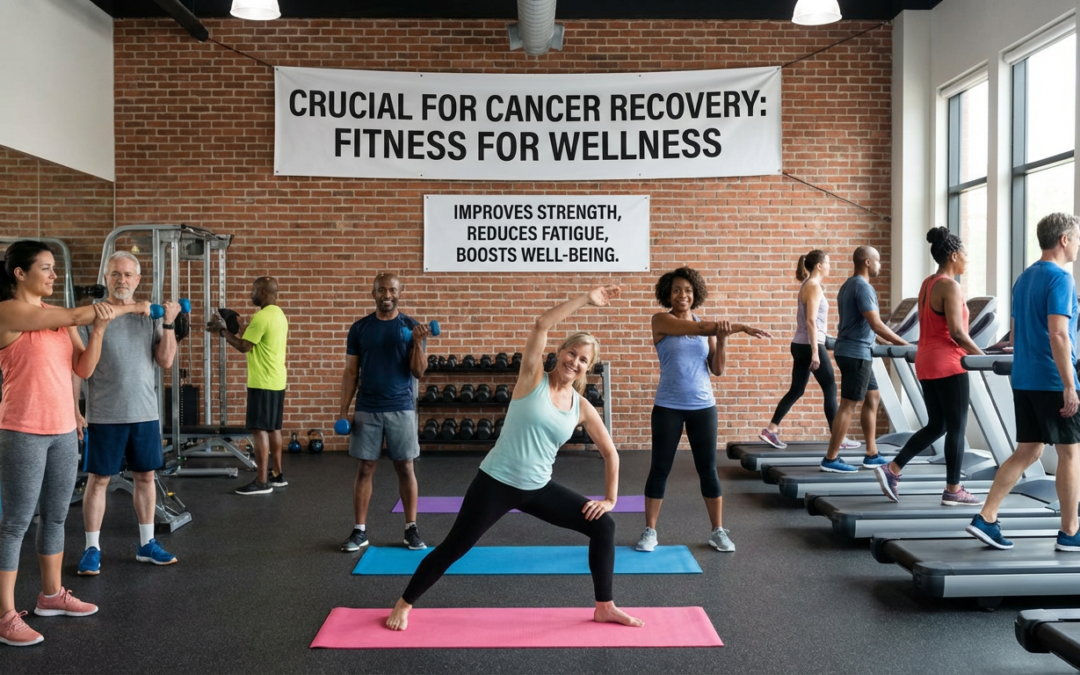
Living with cancer or recovering from it presents many challenges physically, emotionally, and mentally. While medical treatments focus on fighting the disease, an equally important part of recovery and quality of life is movement. Exercise isn’t just safe for people with cancer it’s essential.
I’m excited to share that I’ve recently earned an Advanced Qualification as a Cancer Exercise Specialist (CES) through the Cancer Exercise Training Institute (CETI). This specialized certification means I’ve undergone rigorous education and hands-on training to design safe, effective exercise programs tailored specifically for cancer patients and survivors.
Here’s why exercise is so important in the cancer journey and how it can truly make a difference.
1. Exercise Helps Manage Treatment Side Effects
Cancer treatments like chemotherapy, radiation, and surgery often come with side effects such as fatigue, muscle weakness, joint pain, and reduced mobility. These can make everyday activities difficult and affect overall well-being.
With specialized exercise programming, individuals can combat these side effects by improving strength, endurance, and flexibility. Movement encourages circulation, reduces fatigue, and supports better physical function, making it easier to regain independence and confidence.
2. Supports Physical and Mental Well-Being
Exercise isn’t only about the body it also supports emotional health. Physical activity triggers the release of endorphins, which can help reduce anxiety, depression, and stress common experiences during cancer treatment.
For many, exercise becomes a powerful tool to feel empowered, take control, and build resilience. It offers a sense of normalcy and achievement amid the uncertainty of a cancer diagnosis.
3. Improves Quality of Life and Recovery
Studies show that staying active during and after cancer treatment improves overall quality of life. Exercise helps maintain a healthy weight, supports cardiovascular health, and may even reduce the risk of cancer recurrence.
Furthermore, tailored exercise plans help preserve muscle mass and bone density, which are often negatively affected by cancer therapies.
4. Safe, Evidence-Based Care Matters
Not all exercise is created equal especially for people with cancer. That’s why specialized training like the Cancer Exercise Specialist certification is vital. It ensures professionals understand the unique needs of cancer patients, including how different treatments affect the body and how to adapt workouts accordingly.
This certification means I’m trained to create individualized programs that prioritize safety while addressing the specific goals and limitations of each person.
My Commitment as a Cancer Exercise Specialist
Earning my advanced qualification through CETI means I’m part of a community dedicated to improving lives through movement. I’m passionate about helping people affected by cancer move safely, regain strength, and feel empowered.
As I continue to grow and apply this expertise, my goal is to support clients in reclaiming their health and wellness on their terms helping them feel stronger and more confident every step of the way.